The Purpose
Frontend Development

Frontend development is focused on the creation and design of the user interface (UI) and user experience (UX) for websites and web applications. The primary purpose of frontend development includes the following aspects:


1. User Interface (UI) Design and Implementation

Visual Presentation: Frontend development is responsible for the visual elements of a website or application, including layout, typography, colors, and overall aesthetics. This ensures that the site or app looks appealing and aligns with the brand's visual identity. Responsiveness: Frontend developers create designs that work across different devices, ensuring that the website or application is accessible on various screen sizes, from mobile phones to large desktop monitors.

2.User Experience (UX) Optimization

Interactivity: Frontend developers build interactive features like buttons, forms, sliders, and menus. These features help users interact with the website or application in an intuitive way. Performance Optimization: Ensuring that the website loads quickly and runs smoothly is another crucial aspect. This involves optimizing images, reducing code bloat, and using efficient techniques to deliver a fast and responsive user experience.

3. Accessibility

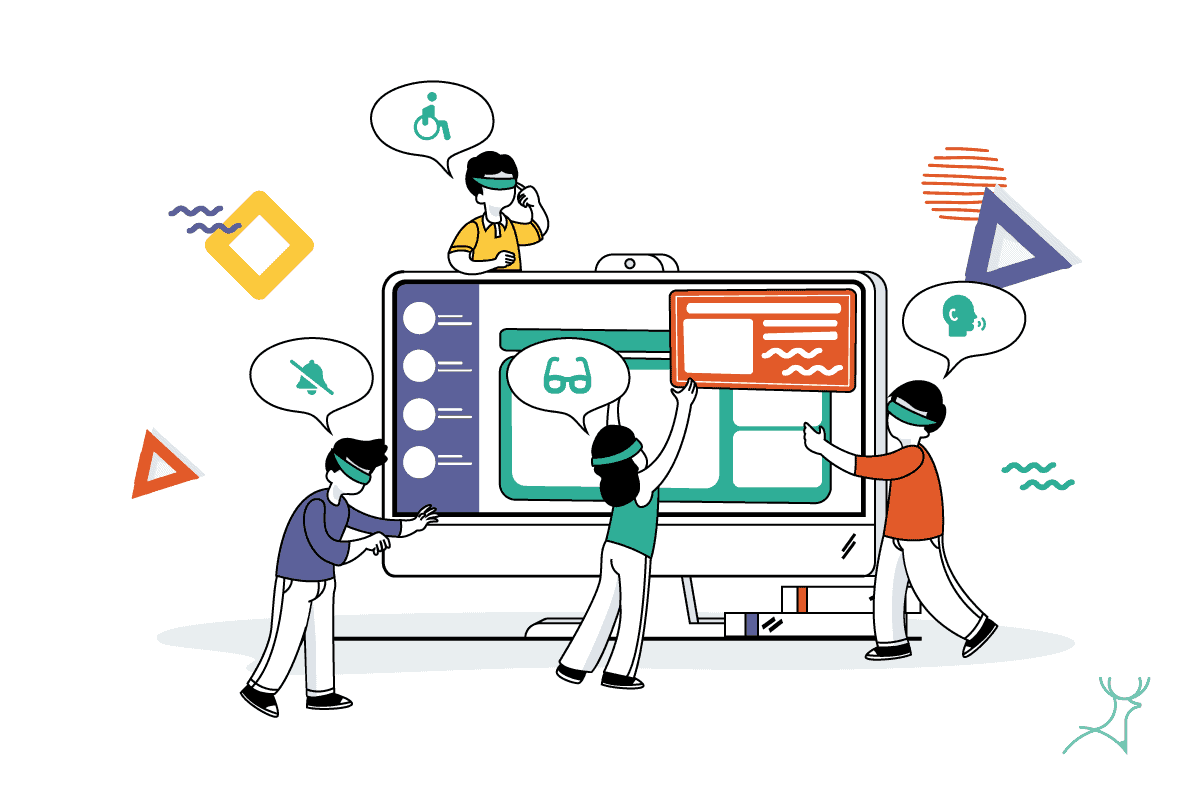
Inclusive Design: Frontend development plays a vital role in making web applications accessible to users with disabilities. This involves using semantic HTML, providing text alternatives for images, ensuring keyboard navigation, and more. Compliance: Many regions have legal requirements for web accessibility. Frontend developers ensure that websites comply with these regulations, making the web more inclusive.

4.Cross-Browser Compatibility

Uniform Experience: The frontend ensures that the website or web application functions correctly across various web browsers (like Chrome, Firefox, Safari, etc.), providing a consistent experience for all users.

5. Client-Side Logic

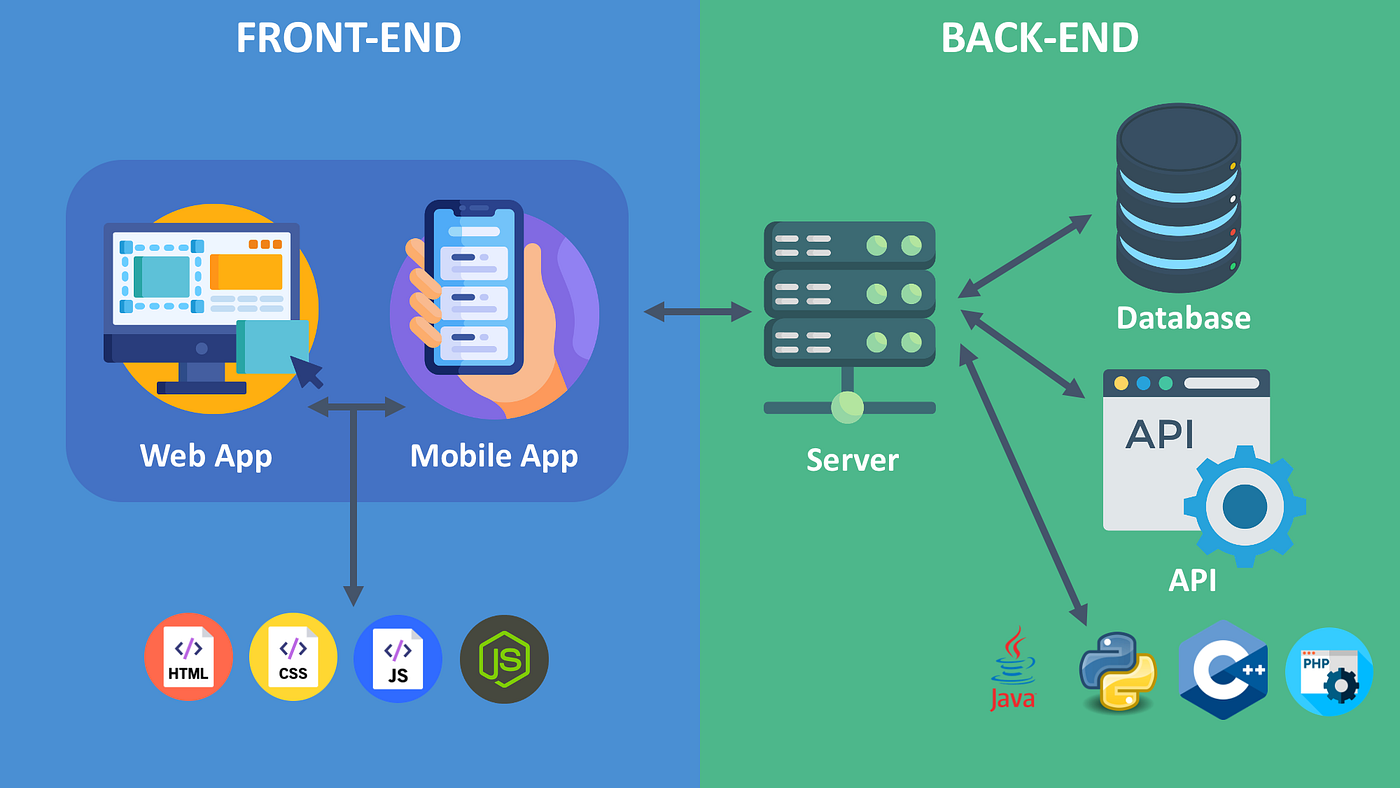
Dynamic Content: Frontend development involves implementing client-side logic using JavaScript or frameworks like React, Angular, or Vue.js. This allows the website or application to update content dynamically without reloading the page, providing a smoother and more interactive experience.

6.Collaboration with Backend Development

Integration: Frontend developers work closely with backend developers to integrate user-facing elements with server-side logic, ensuring that data is displayed correctly and that user interactions trigger the appropriate responses.

7. SEO (Search Engine Optimization)

Search Visibility: Frontend development also involves optimizing the website’s code structure, content, and metadata to improve its visibility on search engines. This increases the chances of the site being discovered by potential users.

8.Security

Protecting User Data: Frontend developers implement security measures to protect user data and prevent malicious activities like cross-site scripting (XSS) and cross-site request forgery (CSRF).

Conclusion

Frontend development is critical because it directly affects how users perceive and interact with a website or web application. A well-executed frontend can significantly enhance user satisfaction, leading to higher engagement, better retention, and ultimately, the success of the digital product.